
Car Features That Sound Useful, But Aren’t (or Could Even Be Dangerous)
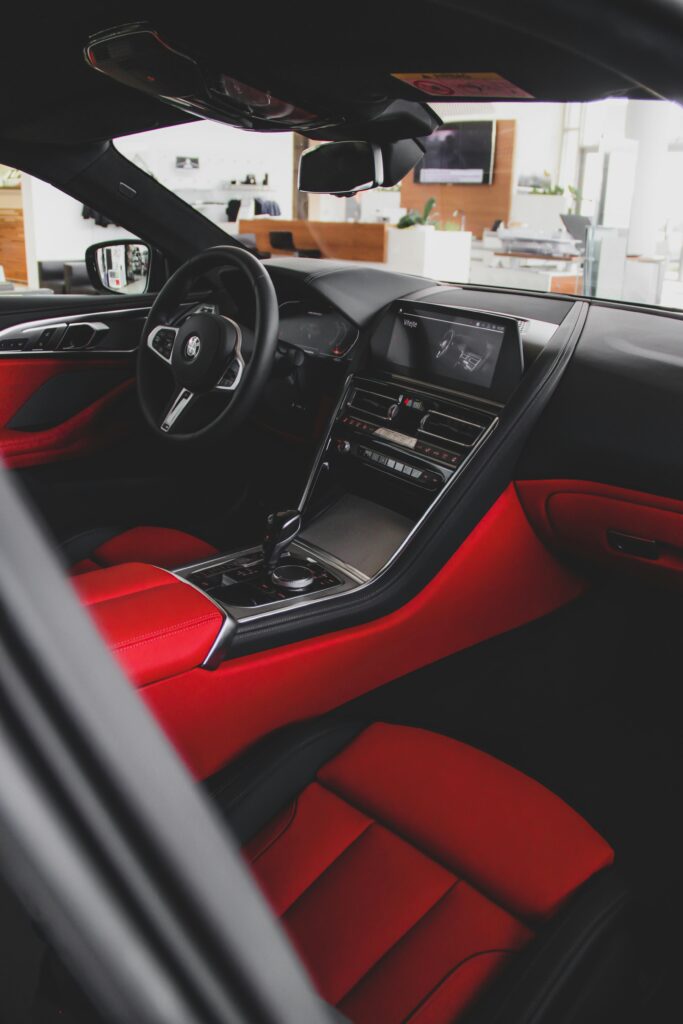

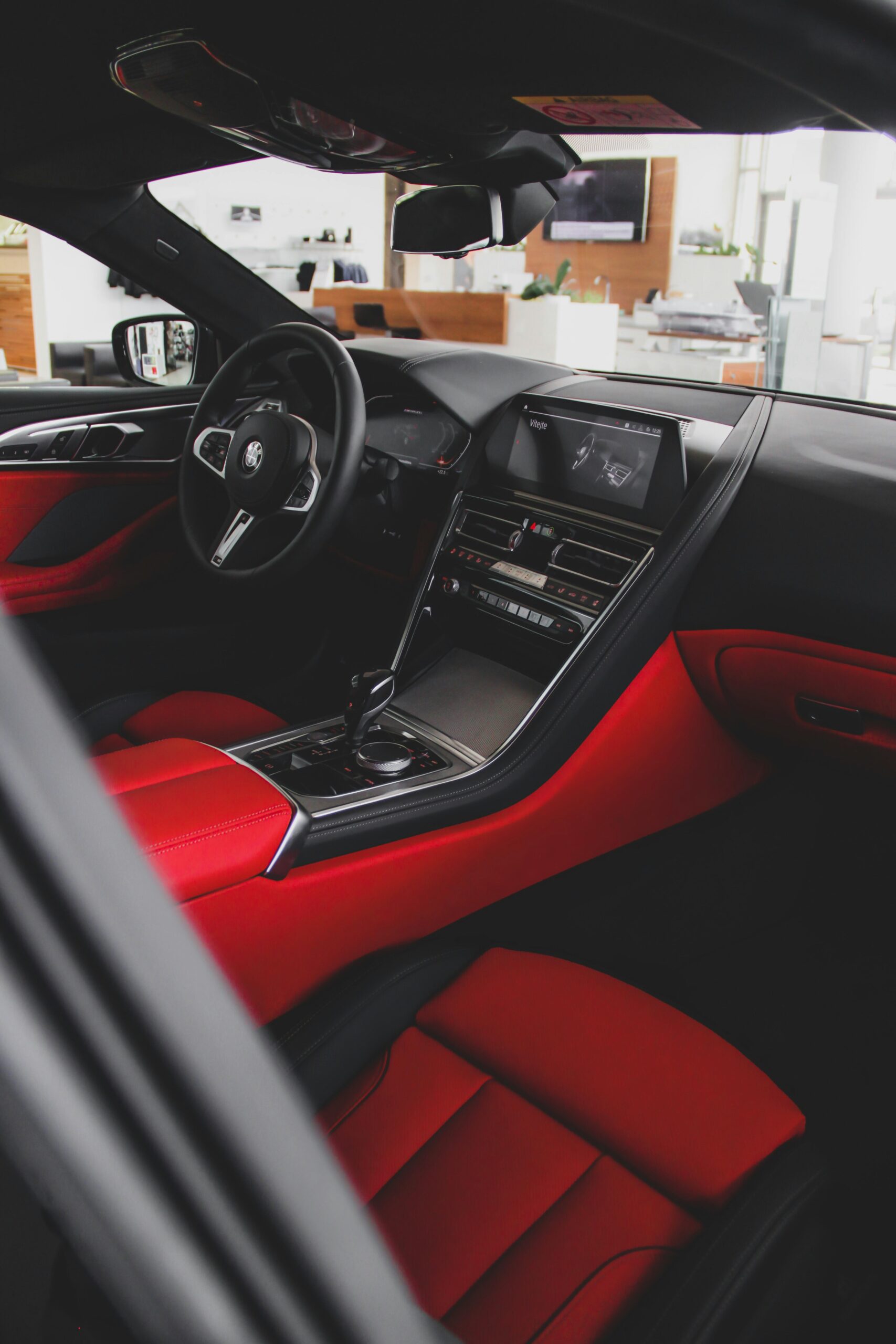
Car features are supposed to make our lives easier, safer, or just plain cooler, right? You’d think with all the fancy gadgets manufacturers add to vehicles nowadays, every new feature would be a game-changer. But not everything that sounds good on paper delivers in real life. Some so-called “innovations” can end up being more annoying, useless, or even dangerous than helpful.
If you’re trying to balance starting your career and investing in the right car, it pays to know which features aren’t worth your hard-earned cash. Here are a few car features that sound awesome—but might actually let you down.
1. Lane Keeping Assist (When It’s Overly Sensitive)
At first glance, Lane Keeping Assist seems like a dream feature for commuters. It’s designed to gently nudge your car back into the lane if you start to drift, which is great for preventing accidents caused by distracted or drowsy driving.
The problem? Some systems really overdo it. They can treat every slight steering correction as if you’re about to slam into another car, and constantly pull against your inputs. This can make driving feel like you’re wrestling with your car, which is especially distracting on curvy roads or when you need to avoid a pothole. If your car’s beeping or tugging at you every few seconds, it isn’t helpful at all; it’s stressful.
The Takeaway: While Lane Keeping Assist works well in flagship cars with advanced systems, less-refined versions in some vehicles can be more irritating than useful. Always test this feature on a demo car to see how it performs.
2. Overly Aggressive Automated Emergency Braking
Automated Emergency Braking (AEB) is meant to save lives. It detects when you’re about to crash into something and slams on the brakes for you. Sounds good, right?
Well, not always. Some systems are too aggressive and brake when there’s no real danger. Maybe it’s a shadow on the road or a plastic bag blowing by. Or maybe the system overreacts simply because you braked later than usual. Sudden, unnecessary braking can put you at risk of being rear-ended by the car behind you—not ideal.
The Takeaway: AEB can be life-saving in well-designed systems. But overly sensitive ones? They might drive you and everyone else on the road nuts.
3. Touchscreen-Only Controls
Touchscreens scream “modern and fancy,” but are they actually practical? Many new cars replace physical buttons with screens for nearly everything—from adjusting the air conditioning to changing the radio station. It’s supposed to make your car feel minimalist and cutting-edge.
The downside? Using a touchscreen while driving usually means fiddling with complex menus or taking your eyes off the road. That hummus wrap in the cupholder might not even survive long enough for lunch if you’re frustratedly swiping at the screen while steering. Physical knobs and buttons can often make basic adjustments faster and safer.
The Takeaway: While touchscreens can look sleek, they can be a headache (and a safety risk) when you need quick access to common functions.
4. Heated or Cooled Cupholders
Heated and cooled cupholders sound like a luxury straight out of a Bond movie. Keep your coffee warm on a cold winter morning? Awesome! Keep your soda ice-cold during a long summer road trip? Even better!
Except… they rarely work well enough to justify the price. These cupholders might slightly delay how fast your drink changes temperature, but don’t expect your iced latte to stay frosty for hours. It’s more of a gimmick than a real benefit, especially considering some systems can malfunction easily.
The Takeaway: Skip the fancy cupholders and grab yourself an insulated thermos or water bottle instead.
5. Gesture Controls
Some high-end cars are adding gesture controls, which allow you to wave your hands around to do things like skip a song, adjust volume, or reject a call. Sounds futuristic, right?
Here’s the thing, though. Gesture controls often aren’t intuitive, and they’re prone to misinterpreting movements. You might accidentally skip your favorite song just because you sneezed or pushed your hair out of your face. Plus, the learning curve can be steep and annoying.
The Takeaway: Stick with the tried-and-true methods. A quick tap of a button or knob will always be easier and way less awkward.
6. Over-the-Top Ambient Lighting
LED lights that create a vibe inside your car can seem super cool, especially if you’re into personalizing your space. Some cars even allow you to adjust the colors to match your mood, from calming blues to energizing reds.
However, do you really need disco-level lighting inside your vehicle? Some setups are so over-the-top they can feel distracting, and depending on your local laws, certain colors or intensities might even get you pulled over.
The Takeaway: Subtle lighting can add a touch of style, but if it feels like you’re driving a nightclub, it’s probably too much.
7. Rear Seat Entertainment Systems (When You’ve Got a Smartphone)
If you’re taking kids on long road trips, built-in rear seat entertainment systems can seem like a smart purchase. They usually come with screens to play movies or games.
The problem is, most people already have smartphones, tablets, or laptops that do the same thing (or more). Investing in a rear system might be an unnecessary expense, especially when your phone apps can stream content or play games at no extra cost.
The Takeaway: Unless you regularly host road trips with passengers needing constant distraction, this feature might not be worth it.
Choosing Smart, Not Flashy Features
When car shopping, it’s easy to get caught up in the latest bells and whistles. But before you commit, really think about whether a feature will add genuine value, or if it’s just a flashy gimmick that sounds better than it works.
Prioritize features that make your drive safer, easier, and more enjoyable—not ones that look cool on the dealership lot but turn out to be frustrating or downright dangerous later.
Happy driving! Want to share your own “useless car feature” experiences? Drop your thoughts in the comments!