
Preparing Your Car for Extreme Weather Conditions
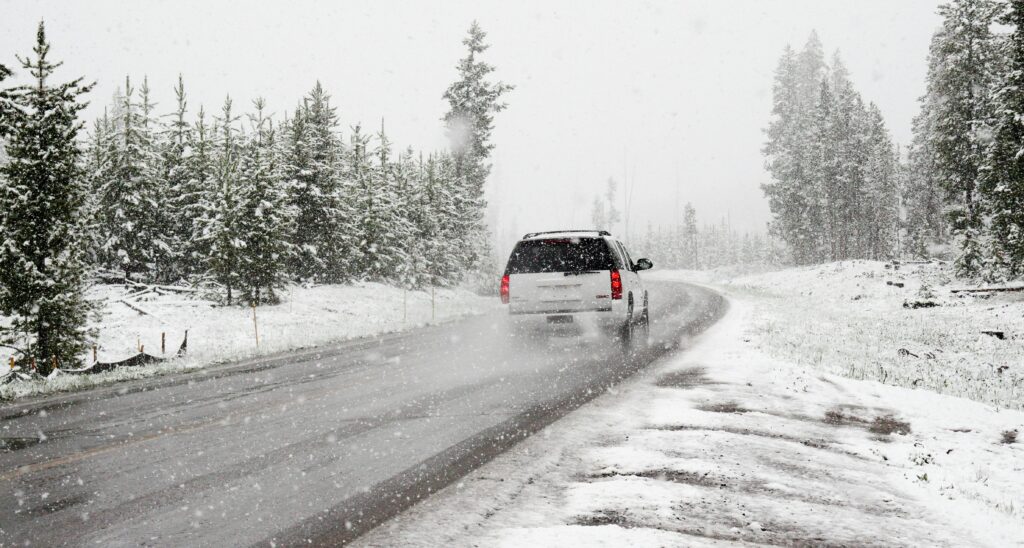


Mother Nature can be unpredictable, and her mood swings often result in extreme weather that can make driving a real challenge. From blistering summer heatwaves to blinding winter blizzards, your car is your first line of defense against the elements. Ensuring it’s properly prepared isn’t just about convenience; it’s about safety for you, your passengers, and everyone else on the road. Let’s walk through the essential steps to get your vehicle ready for whatever the forecast throws your way.
The Foundation: Year-Round Maintenance Essentials
Before we dive into seasonal specifics, let’s cover the basics that apply no matter the weather. Think of these as the foundation of a weather-ready vehicle. Regular check-ups can prevent a small issue from becoming a major headache during a storm or heatwave.
1. Tire Pressure and Tread
Your tires are the only part of your car that actually touches the road. Their condition is critical for maintaining traction.
- Tread Depth: The grooves in your tires are designed to channel water, slush, and snow away from the tire’s surface. As the tread wears down, its ability to do this decreases, leading to a higher risk of hydroplaning or skidding. You can check your tread depth easily with a penny. Insert it into the tread groove with Lincoln’s head upside down. If you can see the top of his head, your tires are worn and likely need replacing. A tread depth of 2/32 of an inch is the legal minimum in most places, but for wet or snowy conditions, you’ll want more.
- Tire Pressure: Temperature fluctuations cause the air inside your tires to expand and contract. In cold weather, pressure drops. In hot weather, it increases. Under-inflated tires can overheat and wear unevenly, while over-inflated tires can reduce traction and lead to a harsher ride. Check your tire pressure at least once a month when the tires are cold (meaning the car hasn’t been driven for a few hours). You can find the recommended pressure level, or PSI (pounds per square inch), on a sticker inside your driver’s side doorjamb.
2. Fluid Levels
Your car relies on a variety of fluids to operate smoothly. Keeping them topped off is an easy and important task.
- Engine Oil: Oil lubricates your engine’s moving parts. Check the dipstick regularly and top off or change the oil as recommended in your owner’s manual.
- Coolant (Antifreeze): This is vital for both hot and cold weather. It prevents your engine from overheating in the summer and from freezing in the winter. Ensure the coolant reservoir is filled to the proper level.
- Windshield Washer Fluid: Visibility is key. You’ll use more of this than you think, especially in messy winter conditions or during bug-heavy summer months. Always keep the reservoir full, and consider using a de-icing formula in the winter.
3. Brakes
Your ability to stop is non-negotiable. If you hear any grinding, squealing, or feel a vibration when you press the brake pedal, have your brakes inspected by a professional immediately. Don’t wait for the middle of a downpour to discover your brakes aren’t performing as they should.
Gearing Up for Winter’s Fury
When the temperature plummets and snow starts to fall, your car faces a unique set of challenges.
Winter Tires: A Worthy Investment
All-season tires are a compromise. They perform adequately in most conditions but are not masters of any. Winter tires, on the other hand, are specifically designed for cold weather. Their rubber compound stays flexible at low temperatures, allowing them to grip the road better. They also have special tread patterns that bite into snow and ice. If you live in an area that sees significant snowfall and freezing temperatures, winter tires provide a dramatic improvement in stopping ability and handling.
Battery Health
Cold weather is tough on car batteries. The chemical reactions that generate electricity slow down in the cold, reducing the battery’s power output. At the same time, cold engine oil is thicker, requiring more power to get the engine started. This combination can leave you stranded. If your battery is more than three years old, have it tested at an auto parts store or by your mechanic before winter sets in. They can tell you how much life it has left.
Wiper Blades
Winter weather means road salt, slush, and grime being kicked up onto your windshield. Worn-out wiper blades will just smear this mess around, destroying your visibility. Replace your blades if they leave streaks or chatter across the glass. Consider heavy-duty winter blades, which are designed to prevent ice buildup on the blade itself.
Creating a Winter Emergency Kit
If you get stuck or stranded, a well-stocked emergency kit can be a lifesaver. Keep these items in your trunk:
- Ice scraper and snow brush
- Small shovel
- Bag of sand or cat litter for traction if you get stuck
- Jumper cables
- Flashlight with extra batteries
- Warm blankets, gloves, and a hat
- Non-perishable snacks and water
- Portable phone charger
Beating the Summer Heat
Sizzling temperatures can be just as damaging to your vehicle as icy roads. The primary enemy in summer is heat.
The Cooling System
Your car’s cooling system, which includes the radiator, thermostat, water pump, and coolant, works overtime in the summer. Overheating is a common cause of roadside breakdowns.
- Coolant Check: As mentioned before, ensure your coolant is at the proper level. Your owner’s manual will specify how often the coolant should be flushed and replaced. Over time, coolant loses its protective properties, so following this schedule is important.
- Hoses and Belts: Visually inspect the rubber hoses connected to your radiator for cracks, bulges, or leaks. Also, check the serpentine belt (the long, winding belt at the front of the engine) for cracks or fraying. A broken belt can disable your water pump, leading to rapid overheating.
Air Conditioning
A working A/C system is more than a luxury in a heatwave; it helps reduce driver fatigue and keeps you focused. If your A/C is blowing warm air, it might just need a refrigerant recharge. However, it could also be a sign of a leak or a failing compressor. It’s best to have a professional diagnose the issue.
Protecting the Interior and Exterior
The sun’s UV rays can be brutal.
- Interior: Use a sunshade in your windshield when parked to keep the interior temperature down and protect your dashboard from cracking and fading.
- Exterior: A regular coat of wax can help protect your car’s paint from sun damage and oxidation. Washing your car frequently will also remove bird droppings and dead bugs, which can bake into the paint and cause permanent damage.
By taking these proactive steps, you can face any extreme weather condition with confidence. A little bit of preparation goes a long way in ensuring your car remains a reliable and safe mode of transportation, no matter what the sky looks like.