
The Shifting Focus: Auto Brands Prioritizing Customer Experience Over Traditional Features
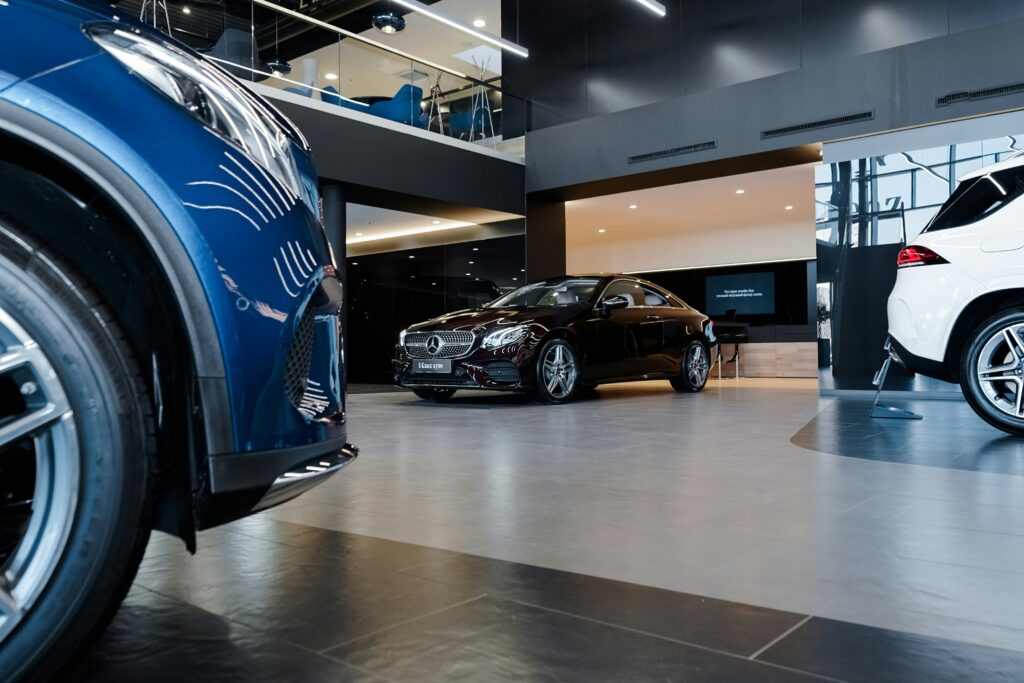


Remember when buying a new car was all about the numbers? We’d spend hours comparing horsepower, torque, and how fast a car could go from zero to sixty. While those classic stats still matter, a major change is happening in the auto world. Car companies are realizing that what happens inside the cabin and throughout the ownership journey is just as important, if not more so, than what’s under the hood. They are shifting their focus from pure performance to the total customer experience.
From Horsepower to Human-Centered Design
For decades, the recipe for selling cars was simple: build a powerful engine, wrap it in a stylish body, and tell everyone how fast it is. The language of car commercials was filled with terms like “V8 muscle,” “turbocharged,” and “class-leading towing capacity.” These were the benchmarks of a great vehicle. If a car had more horsepower than its competitor, it was considered better. This created a kind of arms race where every new model had to be bigger, faster, and more powerful than the last.
But think about your daily drive. How often do you actually use all 300 horsepower of your engine on the way to the grocery store or during your commute in rush-hour traffic? The reality for most drivers is that a car’s top speed is less important than how comfortable the seats are, how easy it is to connect your phone, or how intuitive the navigation system is.
Automakers have started to pay close attention to this reality. They see that our lives are increasingly integrated with technology, and we expect the same seamless experience from our cars that we get from our smartphones. This has sparked a fundamental shift in car design and marketing. The new battleground isn’t the racetrack; it’s the user interface, the service center, and the overall feeling you get from owning the car.
The New Features That Matter Most
So, what does this new focus on customer experience look like in practice? It’s not about one single feature, but a collection of innovations and services designed to make your life easier and your drive more enjoyable.
1. The Infotainment Revolution
The centerpiece of the modern car is the infotainment screen. It’s no longer just a radio with a small digital display. Today’s systems are powerful command centers that control everything from navigation and music to climate and vehicle settings. Brands are pouring millions into developing systems that are fast, intuitive, and feature-rich.
Think about systems like Apple CarPlay and Android Auto. They’ve become must-have features because they seamlessly mirror your phone’s interface on the car’s screen. This allows you to use familiar apps like Spotify, Waze, and Google Maps without fumbling with your device. Car manufacturers are also developing their own advanced software with features like over-the-air (OTA) updates. Just like your phone gets new features and bug fixes while you sleep, cars can now receive software updates remotely. This means your car can actually get better over time without a trip to the dealership.
2. Convenience Through Connectivity
Modern cars are connected to the internet, and this opens up a world of convenience. Many brands now offer a companion app for your smartphone that lets you interact with your car from anywhere. You can remotely start the engine to warm it up on a cold morning, lock or unlock the doors if you forgot, or check the fuel level before a trip.
Some apps even help you find your car in a crowded parking lot or send directions from your phone directly to the car’s navigation system. This level of connectivity transforms the car from a simple mode of transportation into a smart device that integrates with your digital life.
3. The Rise of Subscription Services
The idea of “subscribing” to a car feature might sound strange at first, but it’s a growing trend. Instead of buying a feature outright, you can pay a monthly or yearly fee to access it. This can range from services like satellite radio and live traffic updates to more advanced features like heated seats or enhanced driver-assist systems.
While controversial, the logic behind it is to offer more flexibility. For example, you might only want heated seats during the winter months. A subscription model could allow you to pay for it only when you need it. For automakers, it creates an ongoing relationship with the customer long after the initial sale. It also allows them to offer new features via software updates that can be activated with a subscription.
4. Personalized and Proactive Support
The customer experience extends well beyond the driver’s seat. Brands are rethinking how they handle service and support. Instead of a frustrating, reactive process, they are moving toward a proactive and personalized model.
For instance, many new cars can diagnose their own mechanical issues and even schedule a service appointment for you automatically. Some luxury brands offer concierge services that will pick up your car for maintenance and leave you with a loaner vehicle, so your day isn’t disrupted. This focus on hassle-free ownership is a powerful way to build brand loyalty. It shows that the company values your time and is committed to making your entire experience as smooth as possible.
Why is This Shift Happening Now?
Several factors are driving this change in the automotive industry.
First, cars are becoming more similar in terms of traditional performance. Thanks to advancements in engineering, it’s increasingly difficult for one brand to have a massive, sustainable advantage in engine power or fuel economy. Most modern cars are reliable, reasonably efficient, and powerful enough for the average driver. As a result, companies need new ways to stand out from the competition. Customer experience is the perfect differentiator.
Second, the rise of electric vehicles (EVs) has completely changed the conversation. With EVs, performance metrics like horsepower and torque are still relevant, but the driving experience is inherently different. It’s smoother, quieter, and more focused on technology. EV manufacturers, particularly new players like Tesla, have built their brands around the user experience, forcing traditional automakers to catch up.
Finally, consumer expectations have changed. We are used to the personalized, on-demand services offered by companies like Amazon and Netflix. We expect convenience, simplicity, and technology that just works. The auto industry is simply adapting to meet these modern expectations.
What This Means For You, the Consumer
This shift is overwhelmingly positive for car buyers. It means that automakers are competing to make your life easier and more pleasant. The focus on experience leads to cars that are more comfortable, intuitive, and better integrated with the technology you already use.
It also means that the definition of a “good car” is expanding. It’s no longer just about what happens when you press the accelerator. It’s about the peace of mind you get from advanced safety features, the convenience of a remote start app, the joy of a crystal-clear sound system, and the confidence that comes with proactive customer service.
So, the next time you’re in the market for a new vehicle, you might find yourself spending less time reading spec sheets and more time playing with the infotainment screen. You’ll be asking different questions: How easy is it to pair my phone? Can I warm up the car from my kitchen? Does the navigation system understand voice commands well? That’s because, in the modern automotive landscape, the best feature isn’t always measured in horsepower—it’s measured in how much better it makes your day.